Hot Water Runs Out Too Fast? Your Water Heater May Be Struggling
Key Takeaways
- Hot water running out quickly can indicate sediment buildup, faulty components, a damaged dip tube, or insufficient capacity.
- Compare tank and tankless water heaters based on household demand, installation requirements, and long-term operating costs.
- California's applicable energy standards and permit requirements should be considered before replacing a water heater.
- Routine maintenance and proper system sizing can help improve reliability and reduce recurring hot water problems.
Hot water that runs out halfway through a shower can indicate that your water heater is struggling to meet your household's needs. Whether the problem develops gradually or appears suddenly, identifying the cause can help you avoid unnecessary repairs and determine when replacement makes more sense. For homeowners considering water heater installation in Fresno, understanding tank capacity, energy efficiency, household demand, and local installation requirements is essential.
Why Does Your Water Heater Run Out of Hot Water So Quickly?
1. Sediment Buildup Inside the Tank
Minerals from hard water can settle at the bottom of a storage tank. Over time, sediment may reduce effective heating performance, contribute to unusual popping noises, and interfere with heat transfer.
A qualified technician can inspect the tank and determine whether flushing or other maintenance is appropriate. If the tank is corroded or leaking, however, cleaning will not resolve the underlying damage.
2. A Faulty Heating Element or Burner
An electric unit typically uses heating elements, while a gas model heats water with a burner. If a component fails, the heater may struggle to recover between uses or produce less hot water than expected.
A technician can test the relevant components and check the thermostat, power supply, gas supply, and other controls before recommending repairs or replacement.
3. An Undersized Water Heater
A household's hot water requirements can change when more people move in, additional bathrooms are used, or appliances run simultaneously. A unit that once worked well may no longer provide enough hot water during peak demand.
For example, running a dishwasher while two people shower can exhaust a small storage tank faster than expected. If this happens regularly, reassessing capacity may be more effective than repeatedly adjusting the temperature.
When Should You Repair or Replace Your Water Heater?
The right decision depends on the fault, the unit's age, repair costs, and the likelihood of further problems.
Consider these general guidelines:
- Repair: A relatively minor component failure may justify repair when the tank remains in good condition.
- Inspect: Repeated temperature fluctuations, rumbling noises, or declining performance warrant a professional assessment.
- Replace: Significant tank corrosion, persistent leakage, recurring breakdowns, or an unsuitable capacity may make replacement the more practical option.
Water leaking from the tank itself generally indicates a replacement issue rather than a repairable fitting problem. If you notice water near the heater, identify the source without touching electrical components or attempting unsafe repairs. A gas smell or suspected carbon monoxide problem requires immediate attention and appropriate emergency assistance.
For more troubleshooting guidance, homeowners can read No Hot Water? Check Your Water Heater in Fresno to understand other warning signs and possible causes.
What should I consider when choosing a water heater replacement in Fresno?
When selecting a replacement, consider your household's peak hot water demand, available energy source, installation space, operating costs, and California's applicable building and energy requirements. The most expensive model is not necessarily the best fit.
1. Compare Tank and Tankless Systems
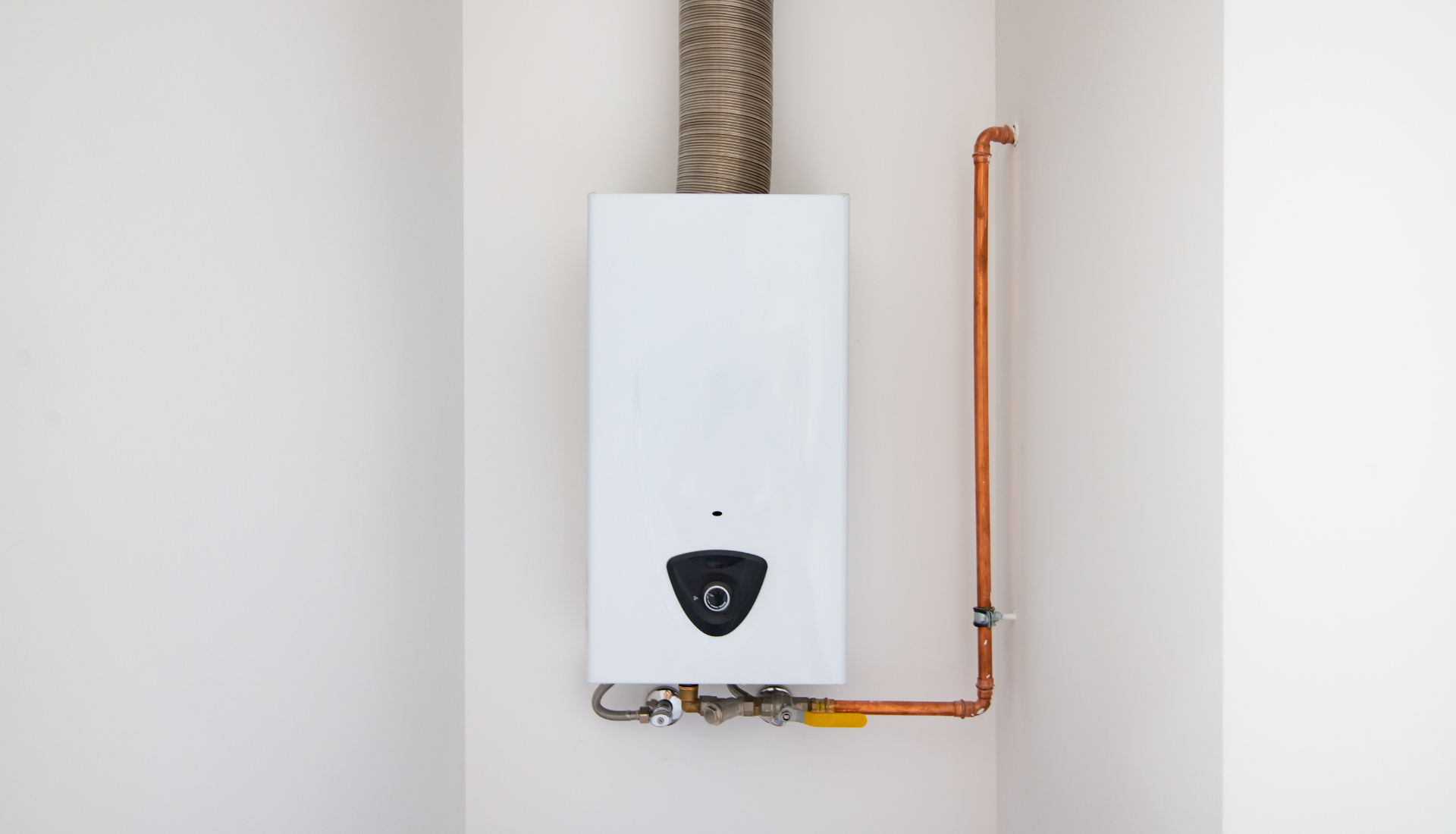
A storage-tank heater keeps a supply of hot water ready for use. A tankless model heats water as it flows through the unit, avoiding the need to maintain a large reservoir of hot water.
| Feature | Storage-tank heater | Tankless heater |
|---|---|---|
| Hot water supply | Limited by stored capacity and recovery rate | Continuous while demand remains within its output capacity |
| Space requirements | Requires room for a tank | Usually more compact |
| Simultaneous use | Depends on tank size and recovery | Depends on flow rate and incoming water temperature |
| Installation | Often simpler when replacing a similar unit | May require upgraded gas lines, venting, or electrical capacity |
| Maintenance | Periodic inspection and tank maintenance | Periodic inspection and manufacturer-recommended descaling where needed |
A properly sized storage unit can suit households with predictable usage. Tankless water heater installation in Fresno may be worth considering when space is limited or the household wants hot water on demand, provided the unit can support simultaneous showers and appliance use.
2. Choose the Right Fuel and Energy Efficiency
A gas water heater in Fresno may be suitable where gas service and compatible venting are available. An electric water heater can work well where the home's electrical capacity supports the chosen model.
Heat pump water heaters are another option. They use electricity to move heat from surrounding air into the water, rather than relying solely on electric resistance heating. Their suitability depends on available space, operating conditions, electrical requirements, and upfront cost.
California's energy requirements can affect replacement choices. The Fresno Energy Commission's water-heating guidance explains that installed systems must comply with applicable Building Energy Efficiency Standards. Ask your contractor to confirm the current requirements and permit needs before selecting equipment.
3. Evaluate Installation and Long-Term Costs
The total cost includes more than the equipment. Ask whether the estimate covers removal of the old unit, plumbing changes, venting or electrical upgrades, permits, installation, and disposal.
For dependable water heater installation in Fresno, choose a qualified contractor who evaluates the existing setup rather than simply swapping equipment.
How Can You Prevent Hot Water Problems After Replacement?
Good maintenance helps protect your investment and can identify problems before they disrupt daily routines.
- Arrange inspections according to the manufacturer's recommendations and the unit's operating conditions.
- Have sediment accumulation assessed, particularly if your water supply contains substantial minerals.
- Check for visible leaks, rust-colored water, unusual noises, or recurring temperature changes.
- Keep accessible hot water pipes insulated where appropriate.
- Avoid increasing the thermostat excessively to compensate for a heater that cannot meet demand.
If hot water continues to run out too quickly after installation, ask a technician to verify sizing, temperature settings, flow rates, and component operation.
Conclusion: Choose a Water Heater That Meets Your Needs
A water heater that struggles to provide enough hot water may need maintenance, a targeted repair, or replacement. Identifying the underlying problem first can help you avoid spending money on equipment you do not need.
When replacement is appropriate, compare tank and tankless systems, check energy requirements, and ensure the unit is sized for your household's busiest periods. Water heater installation in Fresno should account for your home's existing utilities, installation conditions, and long-term hot water needs.
For help evaluating your options, contact Fresno Heating and Cooling to discuss your water heater concerns and determine which solution suits your home.