Why Is My Heat Pump Blowing Cold Air When It's Supposed to Heat?
Key Takeaways
- Heat pump air can feel less hot than furnace air without indicating a fault.
- Brief defrost cycles are normal, but persistent cold airflow, falling indoor temperatures, or heavy ice need attention.
- Check basic settings and filters, then rely on a qualified technician for component diagnostics and installation advice.
Introduction
You set the thermostat to heat, but the vents seem to be blowing cold air. Is your heat pump broken, or is it doing something normal? Unlike a gas furnace, a heat pump often delivers air that feels warm rather than hot. However, consistently cold airflow, falling indoor temperatures, or frequent system interruptions deserve attention. Understanding the difference can help you decide whether a simple adjustment or professional heat pump installation in Fresno is worth considering.
Why Does a Heat Pump Blow Cool Air During Heating?
A heat pump moves heat from outdoor air into your home instead of generating heat through combustion. Because of this process, its supply air may feel less hot than air from a traditional furnace, even when the system is operating correctly.
Before assuming something is wrong, check the room temperature. If the home is gradually reaching the thermostat setting, the system may be working as intended. If indoor temperatures keep dropping, investigate further.
5 Reasons Your Heat Pump May Be Blowing Cold Air
1. The System Is Running a Defrost Cycle
During cold, damp weather, frost can collect on the outdoor coil. The heat pump temporarily changes operation to melt that frost, which can briefly affect the temperature of the air coming through your vents.
You might notice the outdoor fan stop or see steam rising from the unit. These can be normal parts of defrosting. The cycle should end, and regular heating should resume. Persistent ice buildup or prolonged cold airflow needs professional attention.
2. Your Thermostat Settings Are Incorrect
A thermostat set to Cool instead of Heat can make the system behave unexpectedly. Incorrect fan settings may also circulate room-temperature air between heating cycles.
Check that:
- The mode is set to Heat.
- The temperature setting is above the current room temperature.
- The fan is set to Auto, unless your system instructions recommend otherwise.
If settings look correct but the system keeps blowing cold air, the thermostat, wiring, or control board may need testing.
3. The Air Filter Is Restricting Airflow
A clogged filter makes it harder for air to move through the indoor unit. Restricted airflow can affect heating performance and may contribute to system problems.
Check the filter according to the manufacturer's instructions. Replace it if dirty, using the correct size and type. Avoid installing a filter with a higher resistance rating than the system is designed to handle.
4. The Outdoor Unit Has an Ice or Airflow Problem
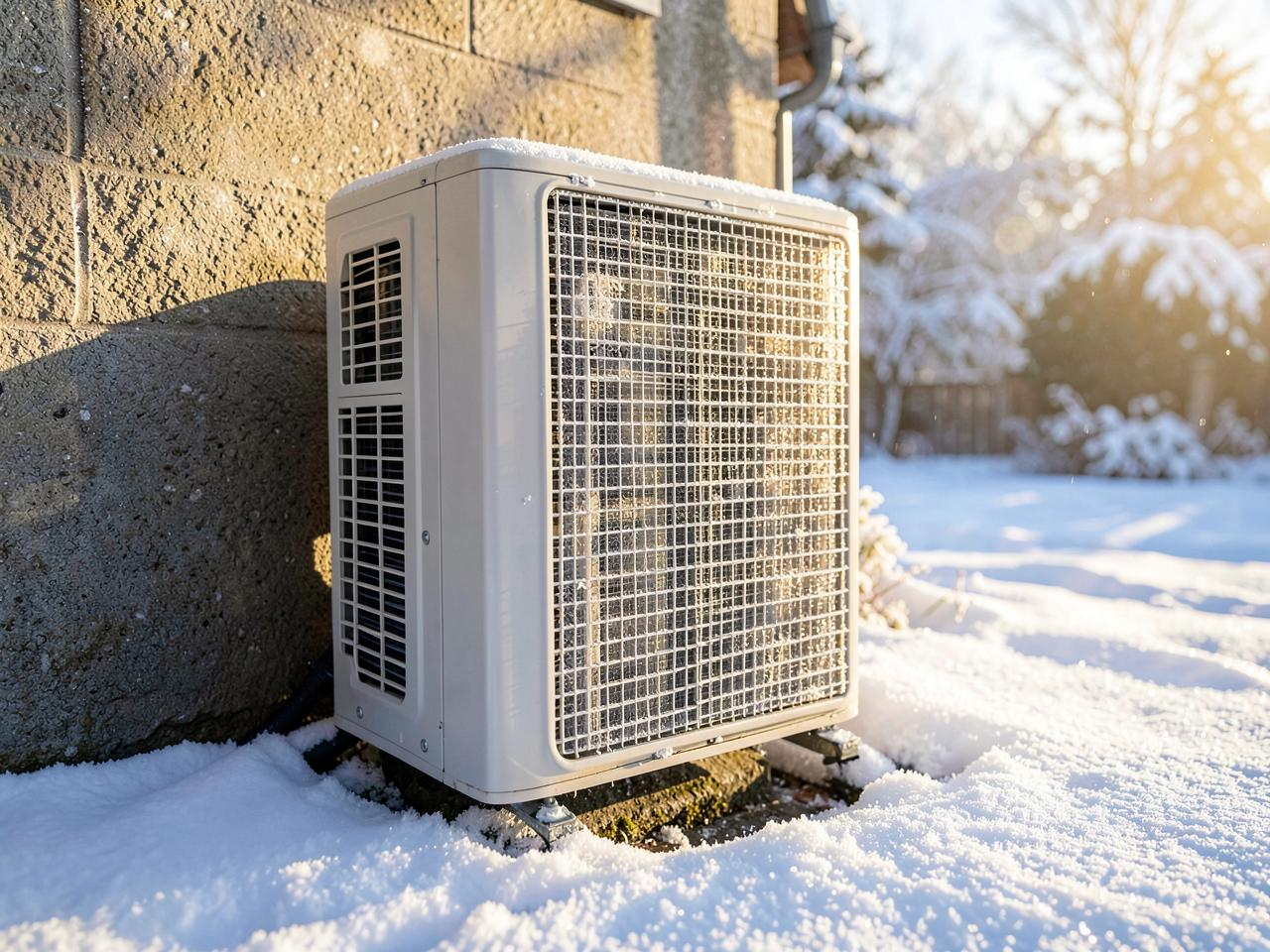
Leaves, dirt, vegetation, or other obstructions can restrict airflow around the outdoor coil. A layer of frost during certain conditions is normal, but a unit covered in persistent ice may have a defrost or airflow problem.
Keep the area around the unit clear. Do not chip away ice or pour hot water over the equipment. If ice continues to accumulate, arrange an inspection.
5. A Component Is Not Working Properly
A faulty reversing valve, refrigerant issue, malfunctioning sensor, or defrost control problem can prevent a heat pump from delivering adequate warmth. Problems with auxiliary heating can also become noticeable when the system needs extra heat.
These are not suitable DIY repairs. A technician can test the controls, refrigerant circuit, electrical components, and backup heating operation to identify the actual fault.
Normal Operation or a Repair Problem?
| What you notice | What it may mean | Recommended action |
|---|---|---|
| Mildly warm air, steady room temperature | Normal heat pump operation | Monitor performance |
| Brief cool air during defrost | Temporary operating cycle | Allow it to finish |
| Cold air for extended periods | Control or component issue | Schedule diagnostics |
| Heavy, persistent outdoor ice | Defrost or airflow fault | Arrange an inspection |
| Indoor temperature keeps falling | Heating performance problem | Request professional service |
What Can You Safely Check Before Calling?
Try these basic checks before arranging a visit:
- Confirm the thermostat mode: Make sure the system is set to Heat, and the target temperature is higher than the room temperature.
- Inspect the filter: Replace a dirty filter with the manufacturer's recommended type.
- Look around the outdoor unit: Remove loose leaves and debris from the surrounding area without opening the equipment.
- Observe the pattern: Note when cold air starts, how long it lasts, and whether the thermostat displays an auxiliary heat or error indicator.
Do not open electrical panels, handle refrigerant lines, or attempt to repair internal components. If you notice burning smells, smoke, or electrical sparking, turn the system off if safe and contact a qualified professional.
When Do You Need Heat Pump Repair in Fresno?
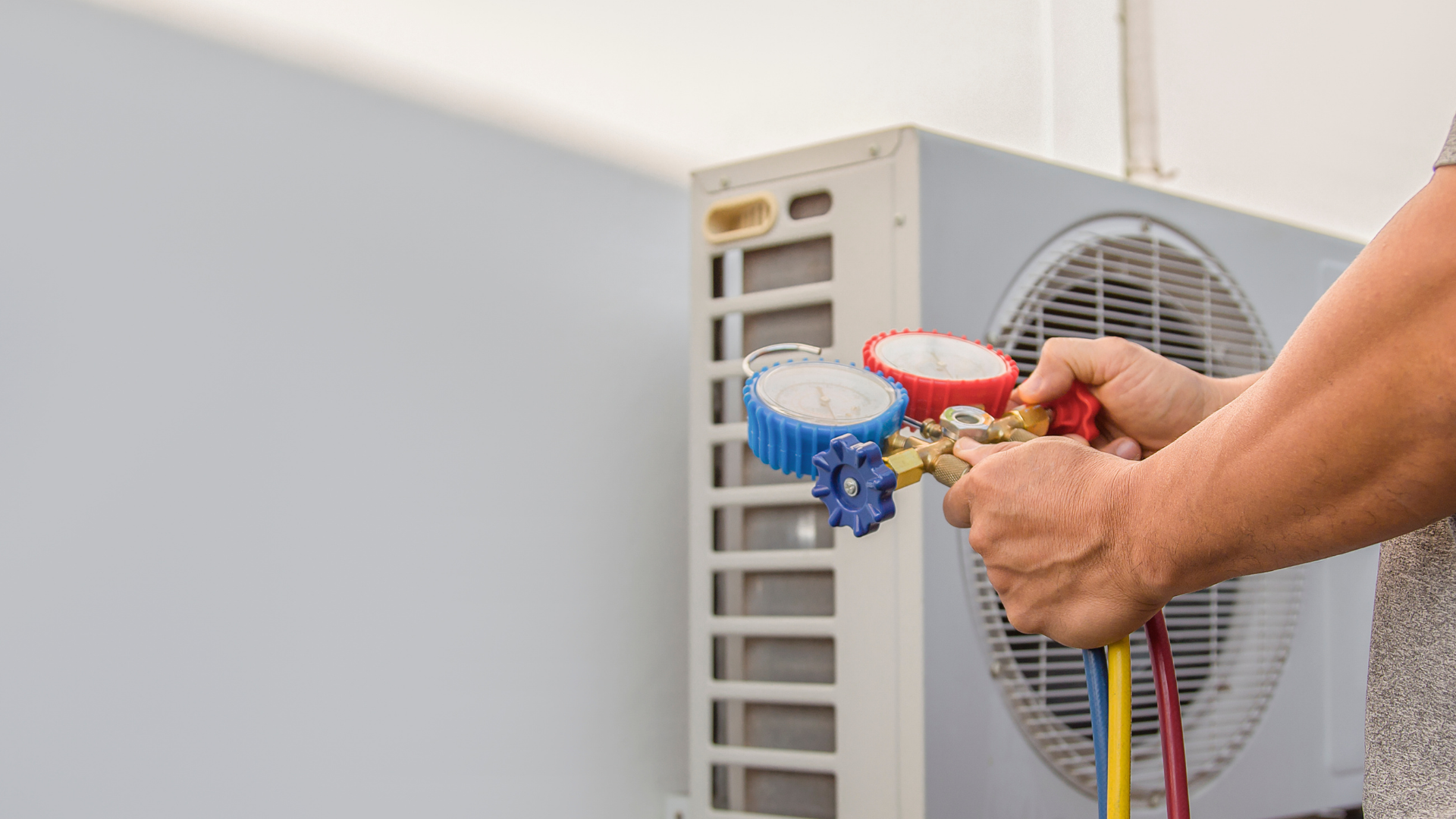
If the system repeatedly blows cold air, struggles to maintain the set temperature, makes unusual noises, or develops persistent ice, arrange a diagnostic visit. A technician should check airflow, refrigerant performance, defrost controls, reversing valve operation, and auxiliary heat where fitted.
A repair may be all that is needed. However, if the equipment is aging, repeatedly failing, or incorrectly sized, discuss whether replacement makes more sense. A properly planned heat pump in Fresno should be selected for the home's heating and cooling requirements, not simply by matching the size of the old unit.
How Do I Find Reliable Heat Pump Installers in Fresno?
Look for a licensed and insured contractor with experience installing and repairing heat pumps.
Ask whether the estimate includes a load calculation, equipment sizing, ductwork and airflow review, refrigerant setup, and thermostat compatibility. Request written details about equipment, labor, warranty coverage, and any available rebates.
A good installer should explain why a particular system suits your home rather than recommending the largest or most expensive option automatically.
Heat Pump Services for Fresno Homeowners
Fresno Heating and Cooling provides heat pump installation, repair, and maintenance for homeowners in Fresno and surrounding Central Valley communities. Its services include system sizing, refrigerant and airflow considerations, reversing valve and defrost control repairs, and guidance on qualifying rebates. If your current unit is struggling or you are considering a replacement, explore the company's heat pump services to discuss your home's needs.